
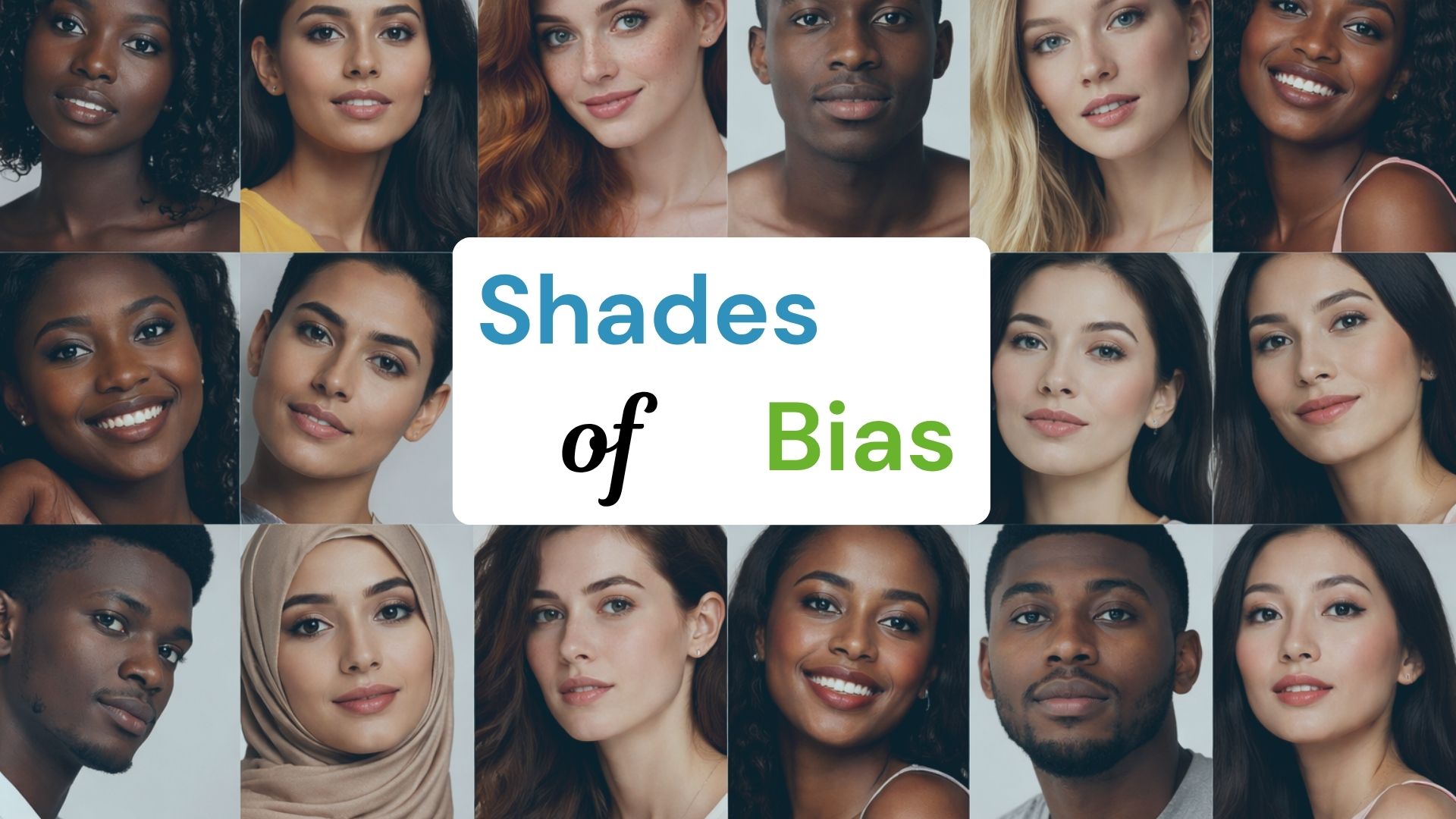
On this International Day for the Elimination of Racial Discrimination, we reflect not only on overt racism but also on a subtler, yet pervasive, form of bias within communities themselves: colourism. This is a bias that privileges lighter skin tones within our communities. Often reinforced by the media, this preference creates a systemic divide where lighter-skinned individuals frequently experience greater success in employment, education, and social status. Skin lightening is not just a cosmetic choice; it is a response to complex social and cultural pressures that prioritise lightness as a form of social capital.
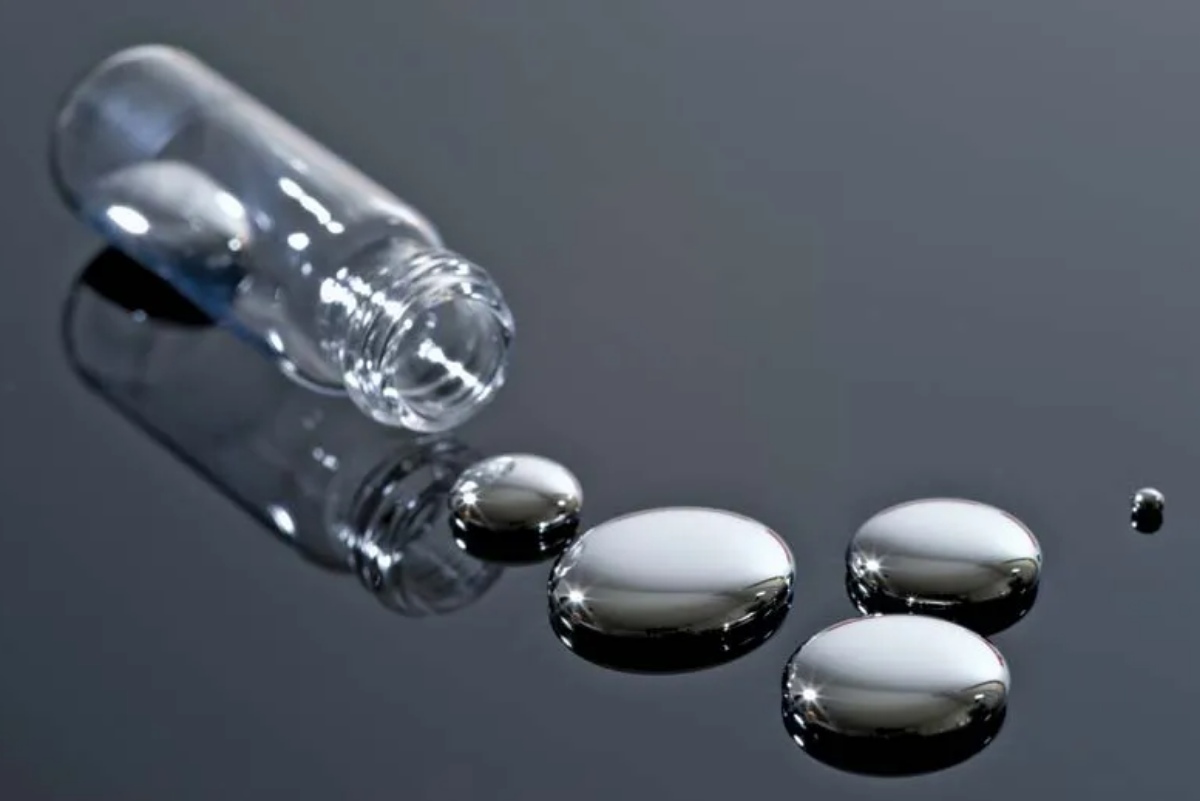
The demand for a "fairer" complexion drives a massive global market for skin-lightening products (SLPs). Many of these are unregulated and sold via e-commerce platforms. The risks associated with skin-lightening products go beyond surface-level concerns. A significant number of these products contain mercury, a highly toxic neurotoxin that is deliberately added for its ability to inhibit melanin production, effectively lightening the skin. While this may produce short-term cosmetic results, the health consequences are severe and long-lasting. This reality is increasingly being recognised at the global level. At the recent Minamata Convention on Mercury COP6, where we joined governments, health experts, and civil society, countries agreed to strengthen the implementation of the ban on mercury-added skin-lightening products, with a strong focus on tackling illegal trade, closing regulatory loopholes, and enhancing international cooperation. The discussions also reinforced the need to go beyond regulation by addressing demand, recognising that the continued use of these products is not only a chemical safety issue, but one deeply rooted in social norms and bias. Minamata COP6 also called for broader public health approaches to reduce demand for skin-lightening products, including those that may not contain mercury. This reflects a critical understanding that the continued use of these products is not only a chemical safety issue, but also one rooted in social norms and bias.
The online marketplace has become a major contributor to the continued circulation of these products, according to a monitoring study by CEJAD.
Reflections from our team

“The rapid growth of online marketplaces and social media platforms has transformed how mercury-added skin-lightening products are marketed and sold. Today, these products are just a click away, often advertised through influencers or informal vendors who operate beyond regulatory oversight. This digital shift has made it easier for the harmful products to circulate widely, bypassing traditional checks meant to protect consumers. Unfortunately, many consumers remain unaware of the hazardous ingredients until the damage is already done. Behind the promise of "fast-acting" results lies a dangerous cycle of chemical dependency and health risks. Addressing this challenge requires not only stronger enforcement but also empowering consumers with accessible information. Tools such as the KEBS Detention List and the Zero Mercury Working Group (ZMWG) database are critical for helping both regulators and individuals in identifying banned products and making safe choices on skin care.”-Emmaculate Okello, Project Assistant in the Mercury Elimination program , CEJAD

“The persistence of colourism often pressures people, especially women and young people, to turn to skin-lightening products in an attempt to appear lighter or ‘brighter.’ However, no cosmetic is meant to fundamentally alter your natural skin tone. In cases of skin concerns, such as hyperpigmentation, acne scars, or uneven skin tone, consulting a qualified dermatologist is the safest way to address the issue. Professional guidance ensures that treatments are medically safe and effective, while avoiding exposure to harmful chemicals like mercury or unregulated bleaching agents. Choosing health over harmful beauty standards is a critical step in resisting the pressures of colourism.”-Patricia Kombo, Communications Advisor, CEJAD

“Mercury-added skin-lightening products pose serious and often irreversible health risks. What may begin as a cosmetic choice can lead to dependency, skin thinning, increased susceptibility to infections, kidney damage, and long-term neurological effects, including memory loss and tremors. The burden of these health impacts falls disproportionately on women and young people, who are often targeted by beauty standards that equate lighter skin with worth and success. Eliminating these products is therefore not only a matter of chemical safety, but a critical public health priority. One that protects individuals from harm while addressing the social pressures that drive their use." Lynette Ouya, Project Officer, Mercury Elimination Program, CEJAD

“The persistence of colourism fuels demand for harmful skin-lightening products, creating a cycle where social bias and health risks are closely intertwined. Addressing this requires a holistic approach; one that goes beyond regulation to include education, community engagement, and campaigns that instil pride in natural skin tones from a young age. Ending colourism means creating a society where no one feels the need to alter their natural skin tone to be accepted, valued, or seen. Consumers should also be encouraged to report suppliers or platforms that break the law, using accessible channels such as the Competition Authority of Kenya’s complaints mechanism, while awareness of the process is scaled up to ensure more people can take action.” -Candy Margaret Vizengwa, Communications and Outreach Assistant , CEJAD

“Studies in Kenya indicate that although fewer men than women use these products, their experiences highlight that colourism is a societal issue, not limited to women. For CEJAD, this reinforces the importance of policies and interventions that prioritise the health and safety of vulnerable populations, including stricter enforcement of bans on mercury-added products, and public awareness campaigns around the dangers of colourism and mercury-added skin lightening products. Beyond regulation, efforts must also focus on promoting confidence and pride in natural skin tones, helping young people resist social pressures to alter their skin and challenging the harmful norms that drive demand for these products.” Benard Kipchirchir, Project Assistant CEJAD
CEJAD calls for the elimination of mercury-added skin-lightening products as a critical step toward making mercury history. This call is rooted in the urgent need to address colourism, bias that continues to shape perceptions of beauty, opportunity, and self-worth across communities. We advocate for the celebration of all skin tones in their diversity, as part of a broader effort to end colourism and protect the health and well-being of communities.
Read more on the ‘legal hooks’ available to address this challenge in the context of e-commerce, which recent research by CEJAD suggests is a critical entry point for mercury-added SLPs in Kenya.
Related publications:
- Toxic Beauty: The Rise of Mercury-Laced Skin Lightening Products in Kenya’s Online Market
- The dark world of mercury-heavy skin-lightening products
- Rid the market of dangerous mercury-laden skin-lightening cosmetics